Most spine pain has manageable causes, but persistent pain with numbness, weakne...See More
Sep 08, 2026

Delivering advanced spinal care with precision and compassion
.png)
Offering a full spectrum of spine treatments for optimal recovery
.png)
Collaborative treatment plans tailored to individual patient needs.


.png)
About Us
Experience
Endoscopic Spine Surgeries
Spine Surgeries
Happy Patients


Comprehensive Care for Spine and Joint Health Excellence
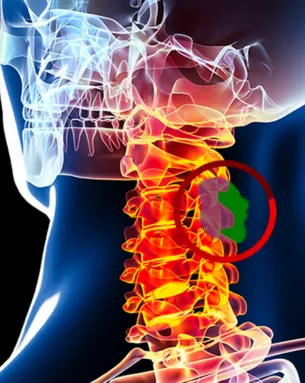
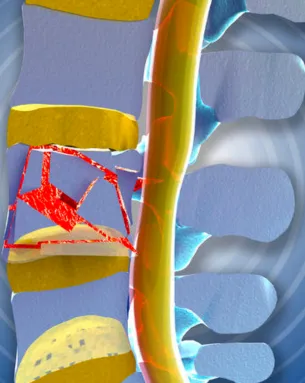
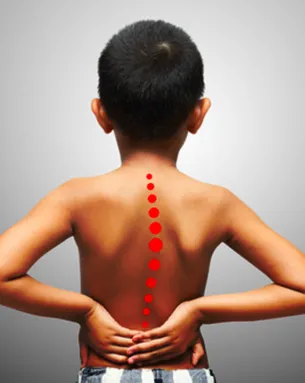
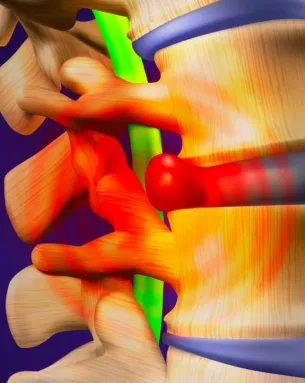
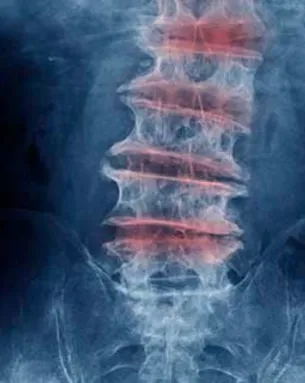
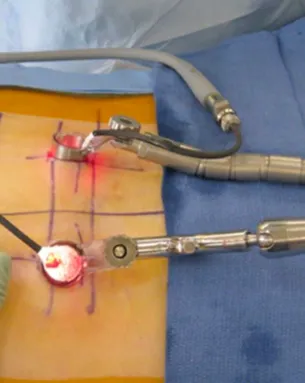
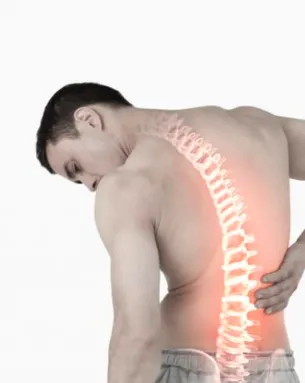
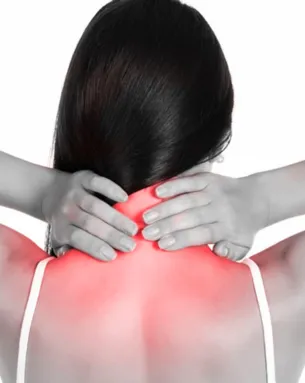
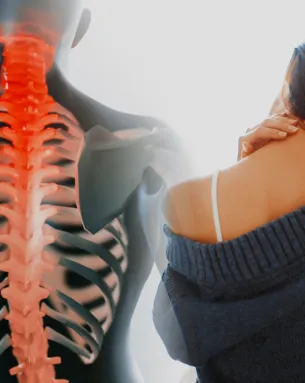
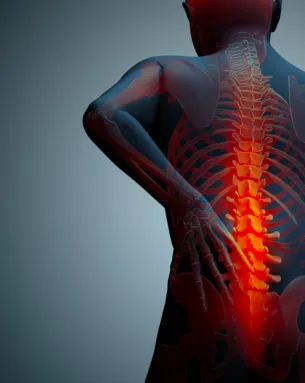
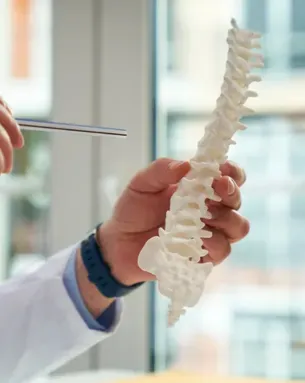
Stay informed with our latest updates, posts, announcements, and healthcare news
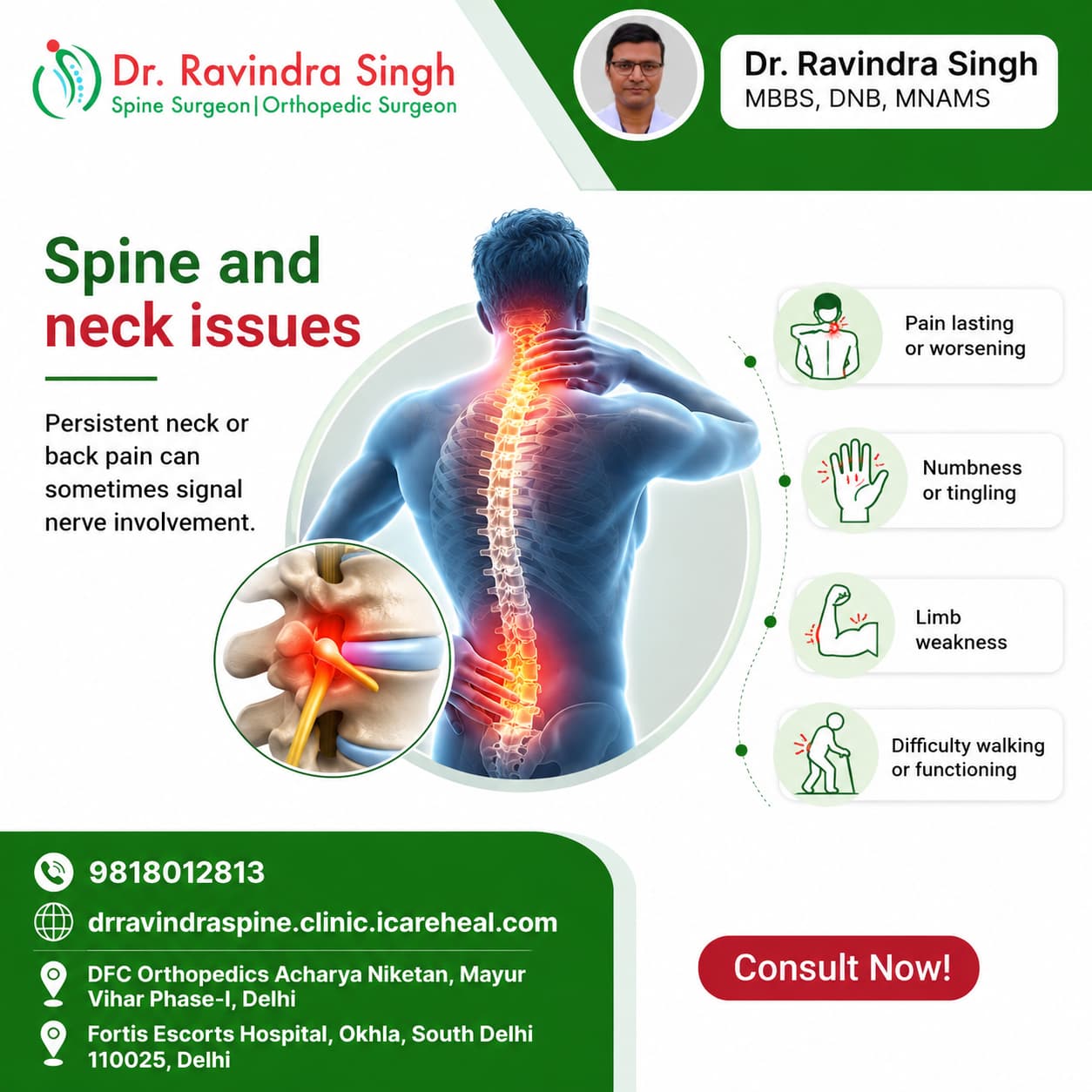
Most spine pain has manageable causes, but persistent pain with numbness, weakne...See More
Sep 08, 2026
May the divine spirit of Lord Krishna fill every heart with love, peace, joy and...See More
Sep 07, 2026
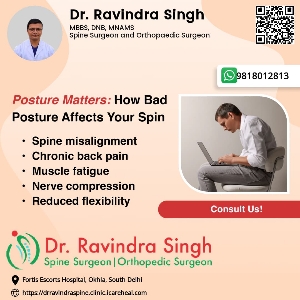
Spinal cord compression often begins subtly but can progress rapidly. Early neur...See More
Aug 25, 2026
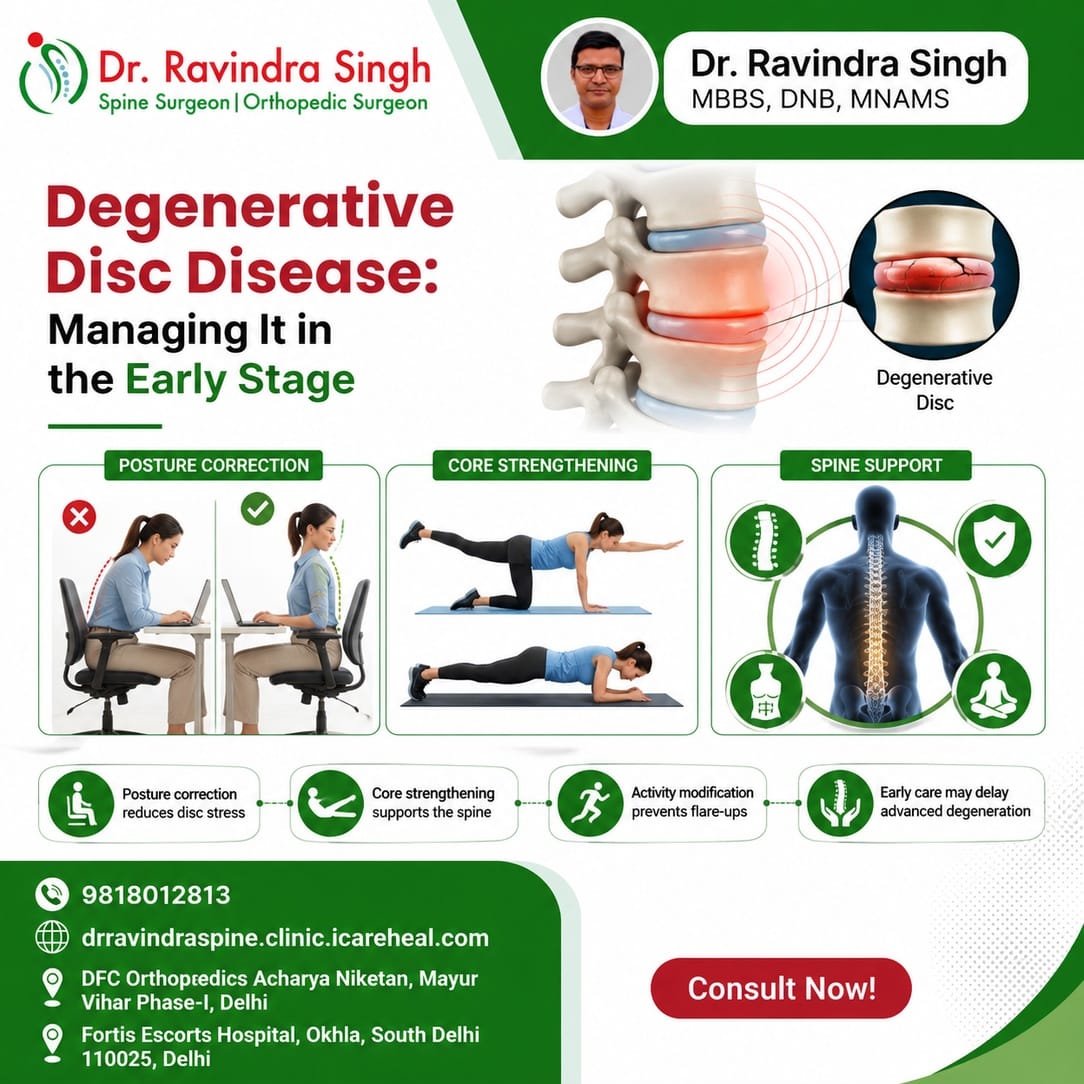
Early management of disc degeneration can significantly improve comfort and func...See More
Aug 18, 2026
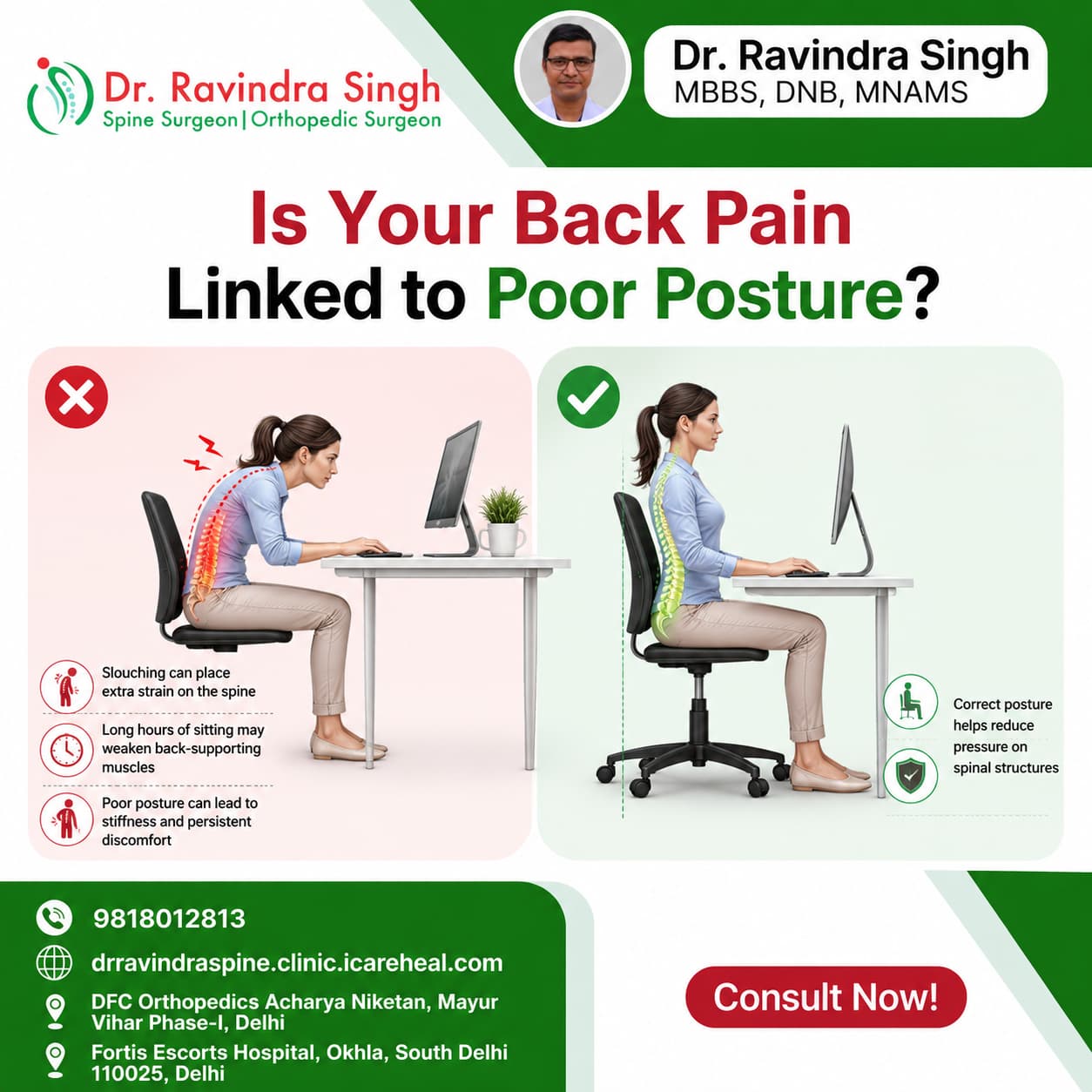
Poor posture during daily activities like sitting or using devices can place str...See More
Aug 11, 2026
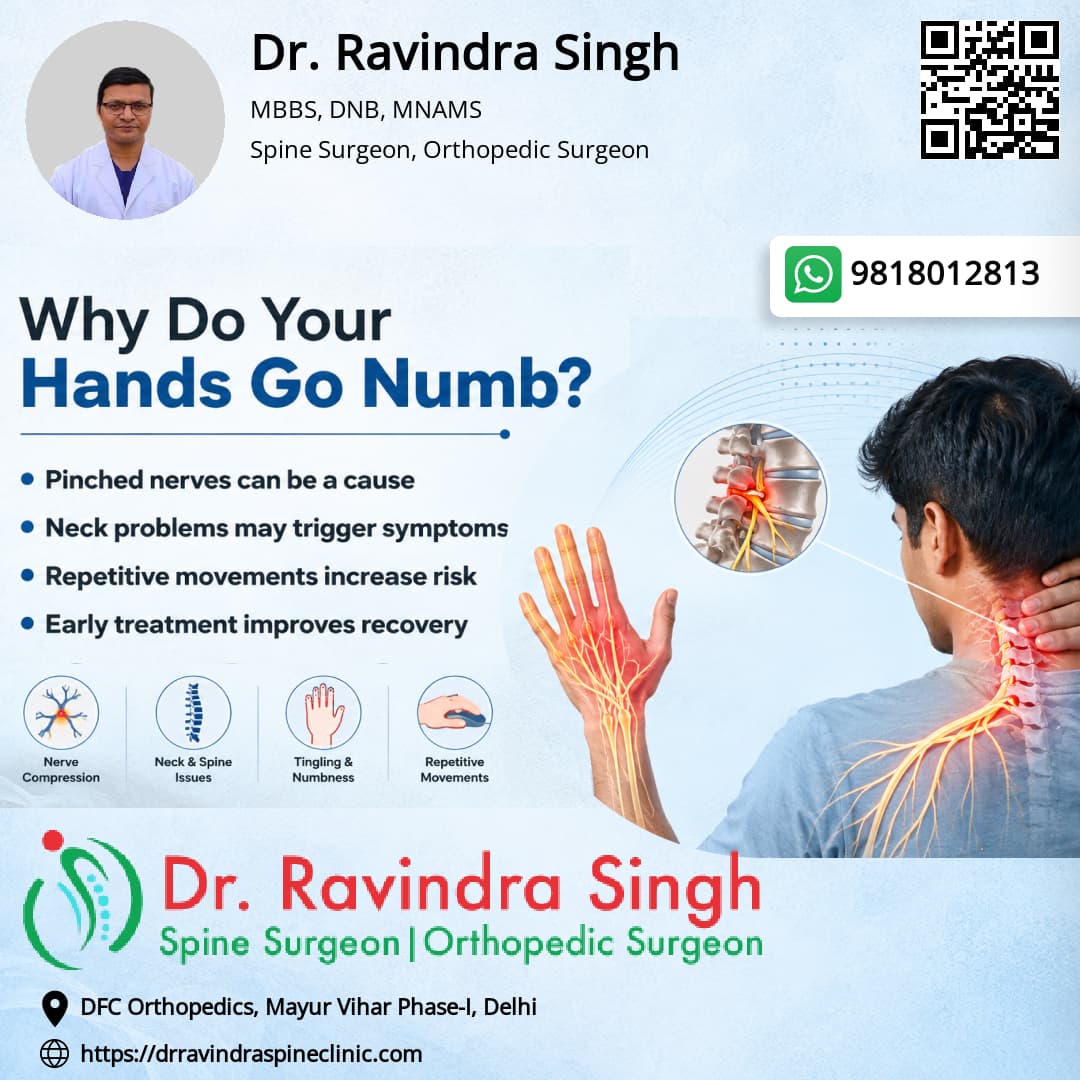
Occasional numbness may seem harmless, but frequent tingling or loss of sensatio...See More
Aug 10, 2026
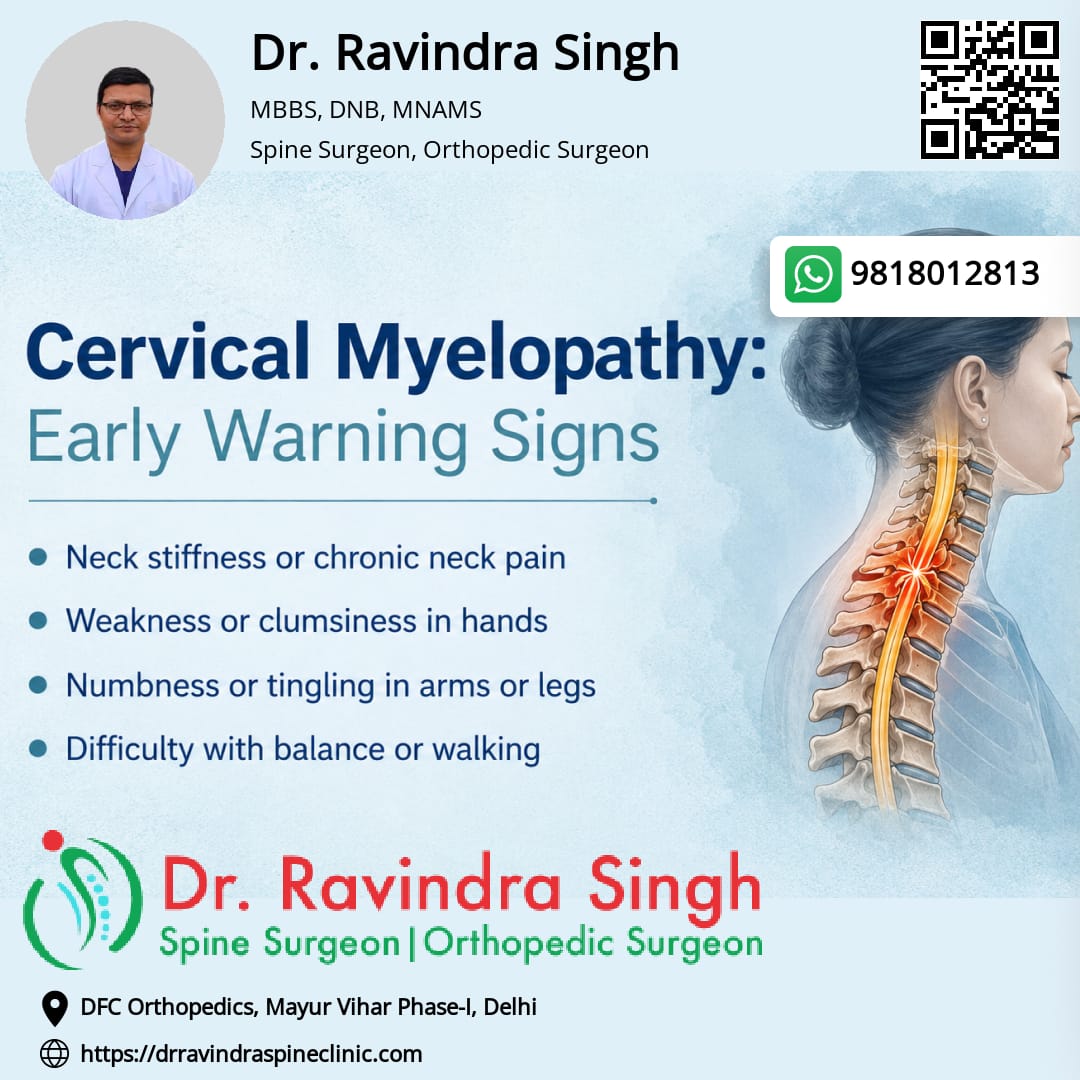
Cervical myelopathy is spinal cord compression in the neck, often due to disc bu...See More
Aug 02, 2026
The greatest lessons are those that help us live healthier, happier lives. This ...See More
Jul 29, 2026

Dehydration can become serious if not treated promptly, especially during diarrh...See More
Jul 29, 2026
Dr. A.P.J. Abdul Kalam inspired generations to dream big, embrace knowledge, and...See More
Jul 27, 2026
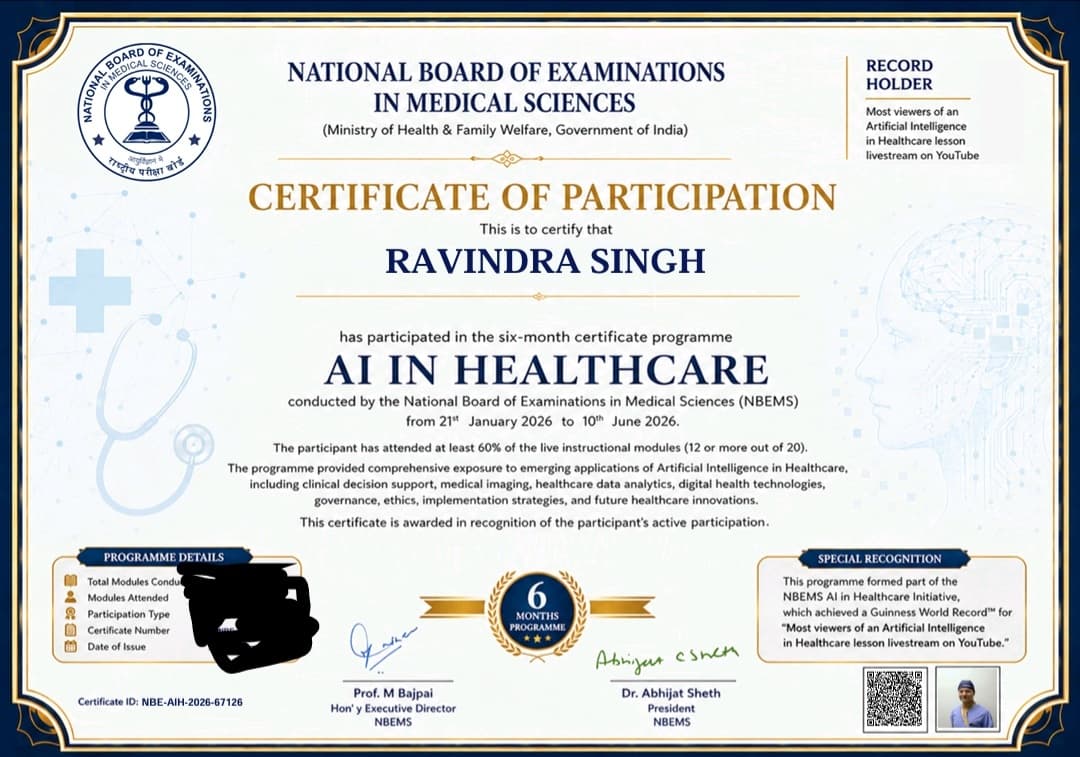
Dr. Ravindra Singh, Consultant Spine and Orthopedic Surgeon believes in integrat...See More
Jul 07, 2026
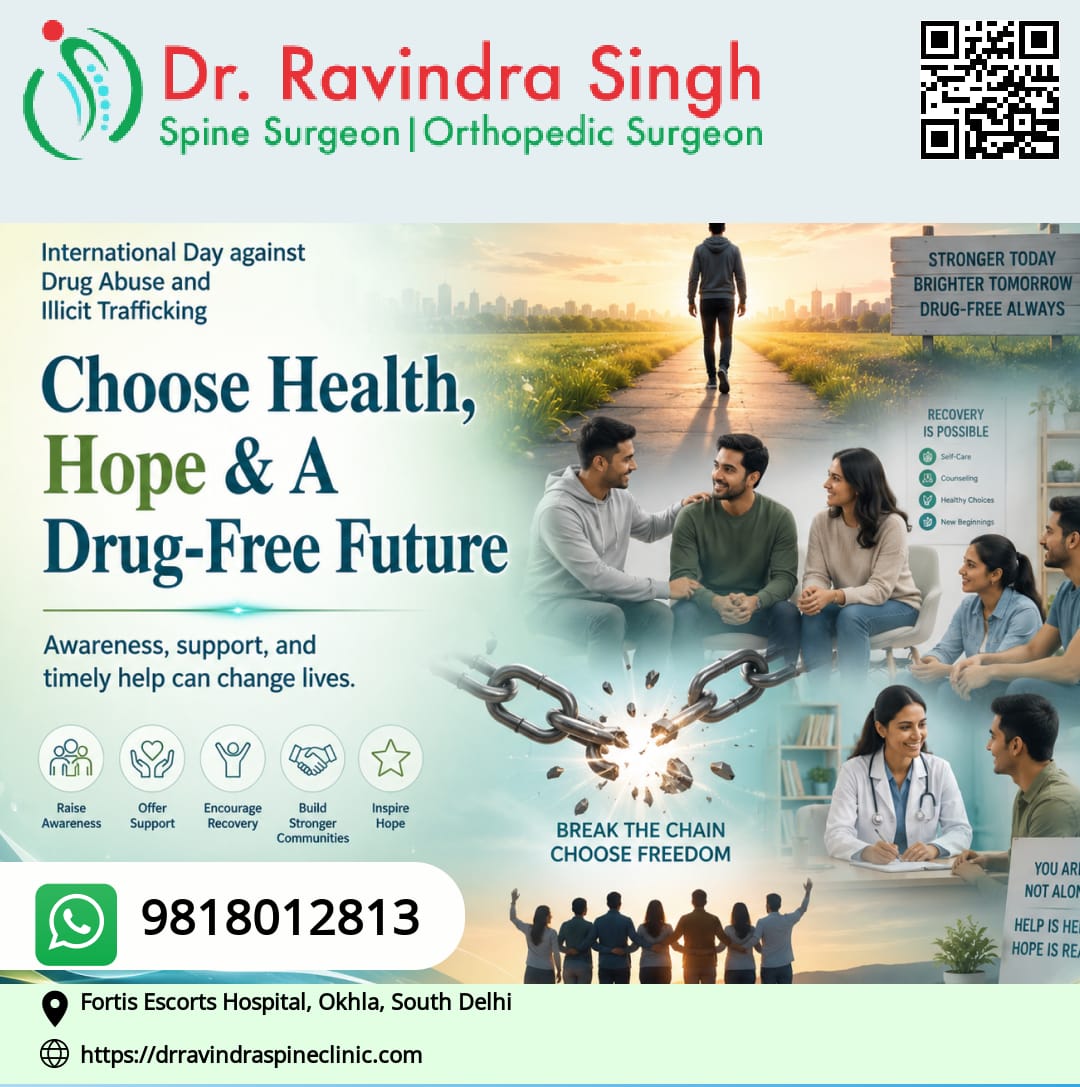
International Day Against Drug Abuse and Illicit Trafficking highlights the impo...See More
Jun 27, 2026
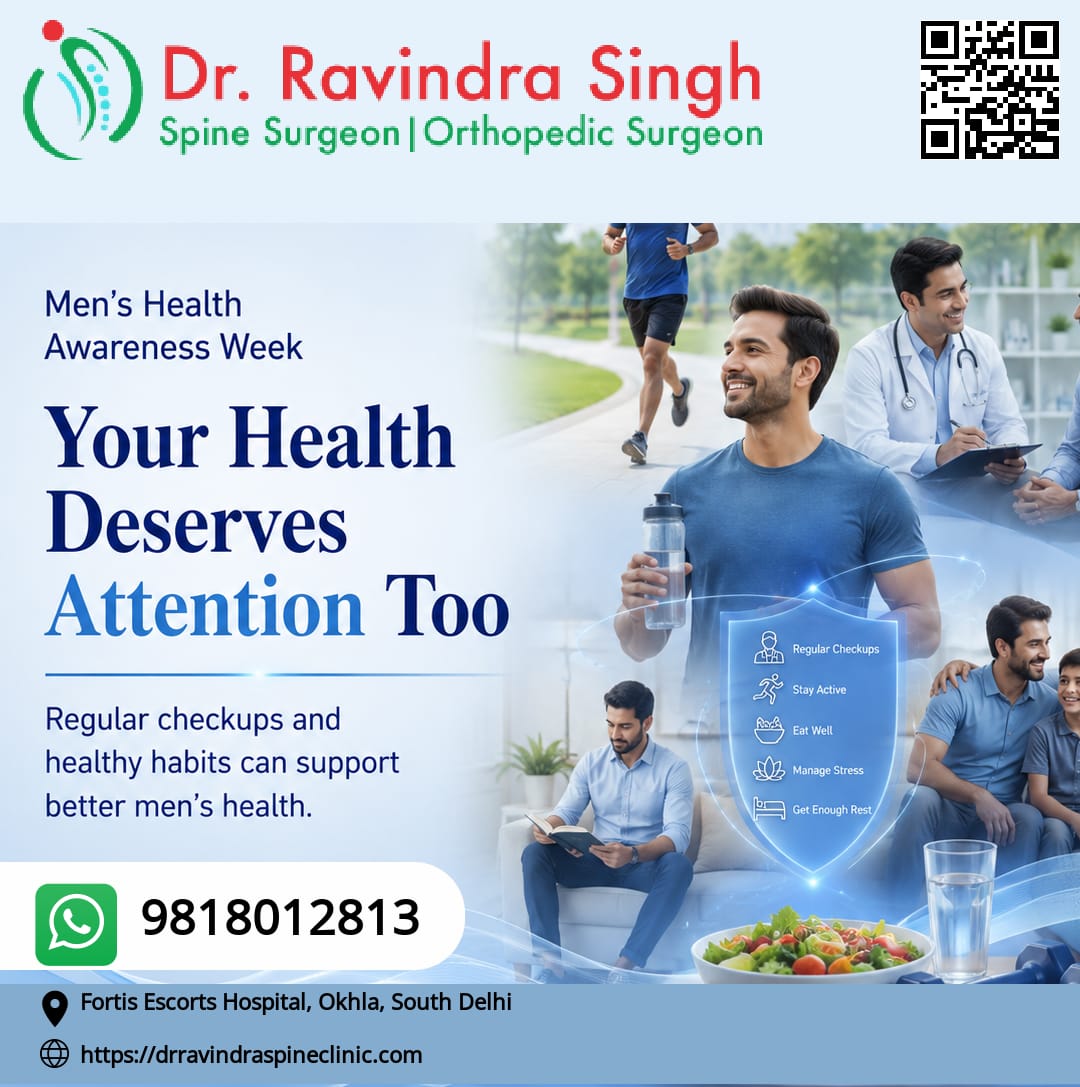
Men’s Health Awareness Week is a reminder that health matters at every age. Regu...See More
Jun 15, 2026
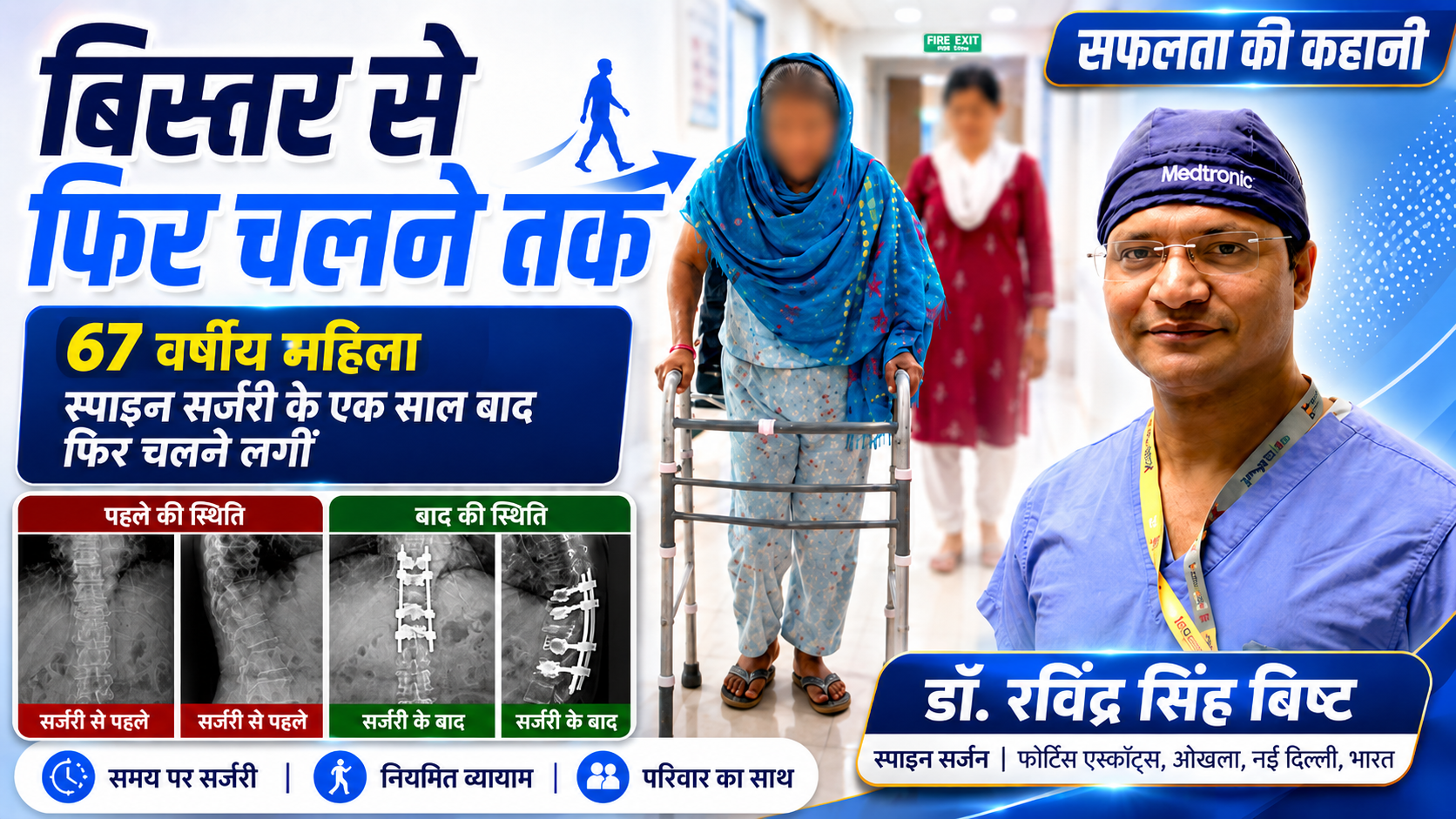
78 वर्षीय बिस्तर पर पड़ी महिला ने सर्जरी के बाद फिर से चलना शुरू किया। वर्षों की...See More
Jun 01, 2026
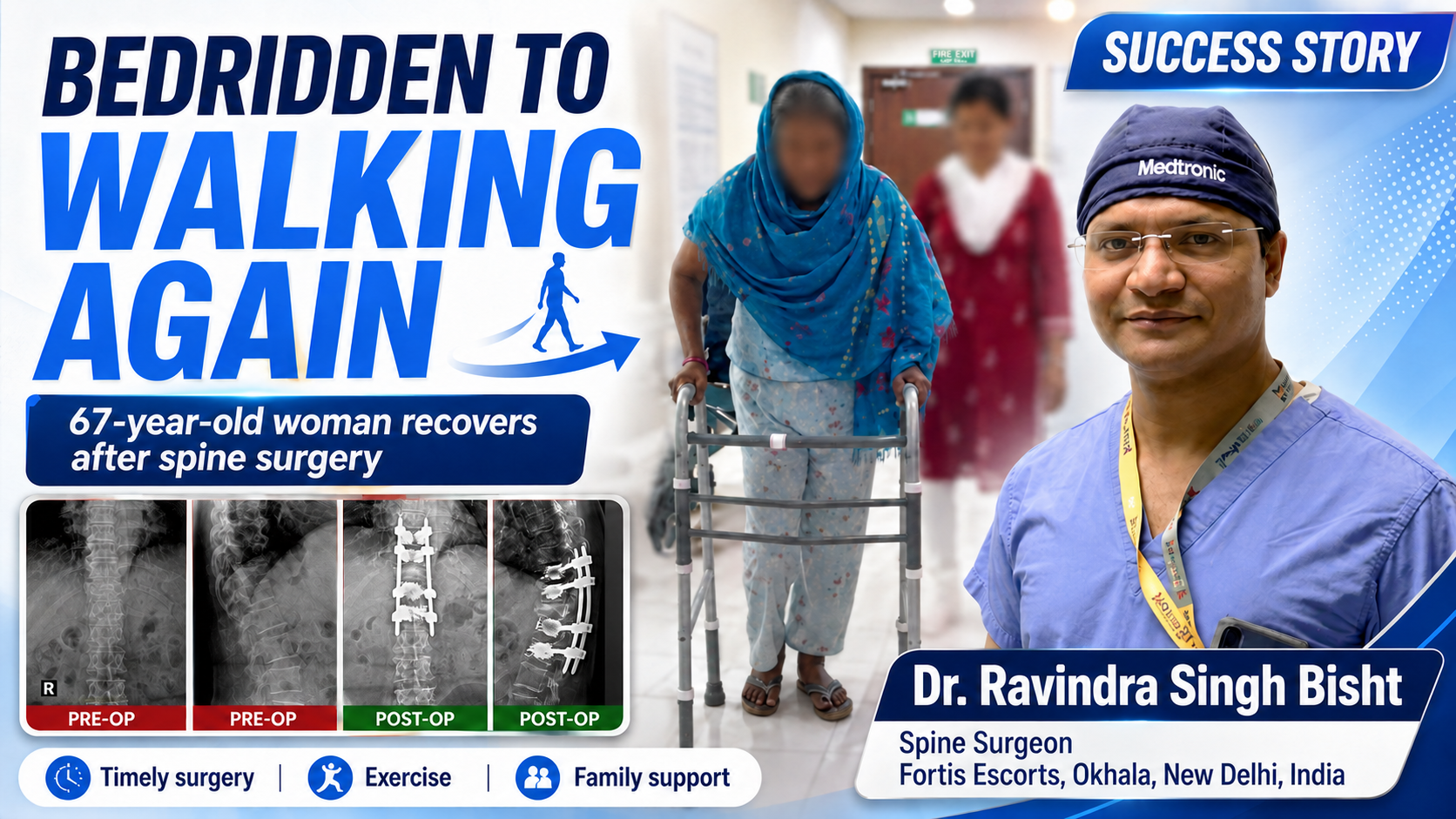
At 78 and bedridden before surgery, she took her first steps with support—a powe...See More
Jun 01, 2026
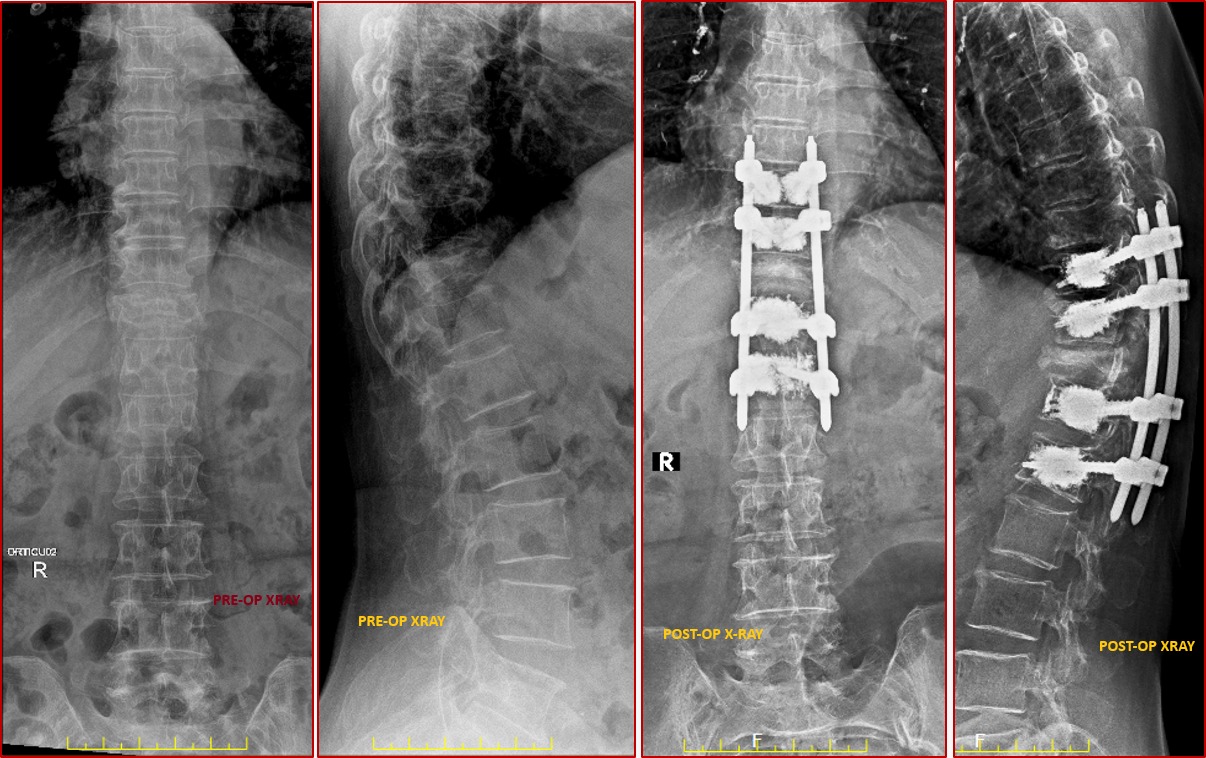
A 67-year-old woman, who was bedridden and dependent on family due to a spinal f...See More
May 15, 2026
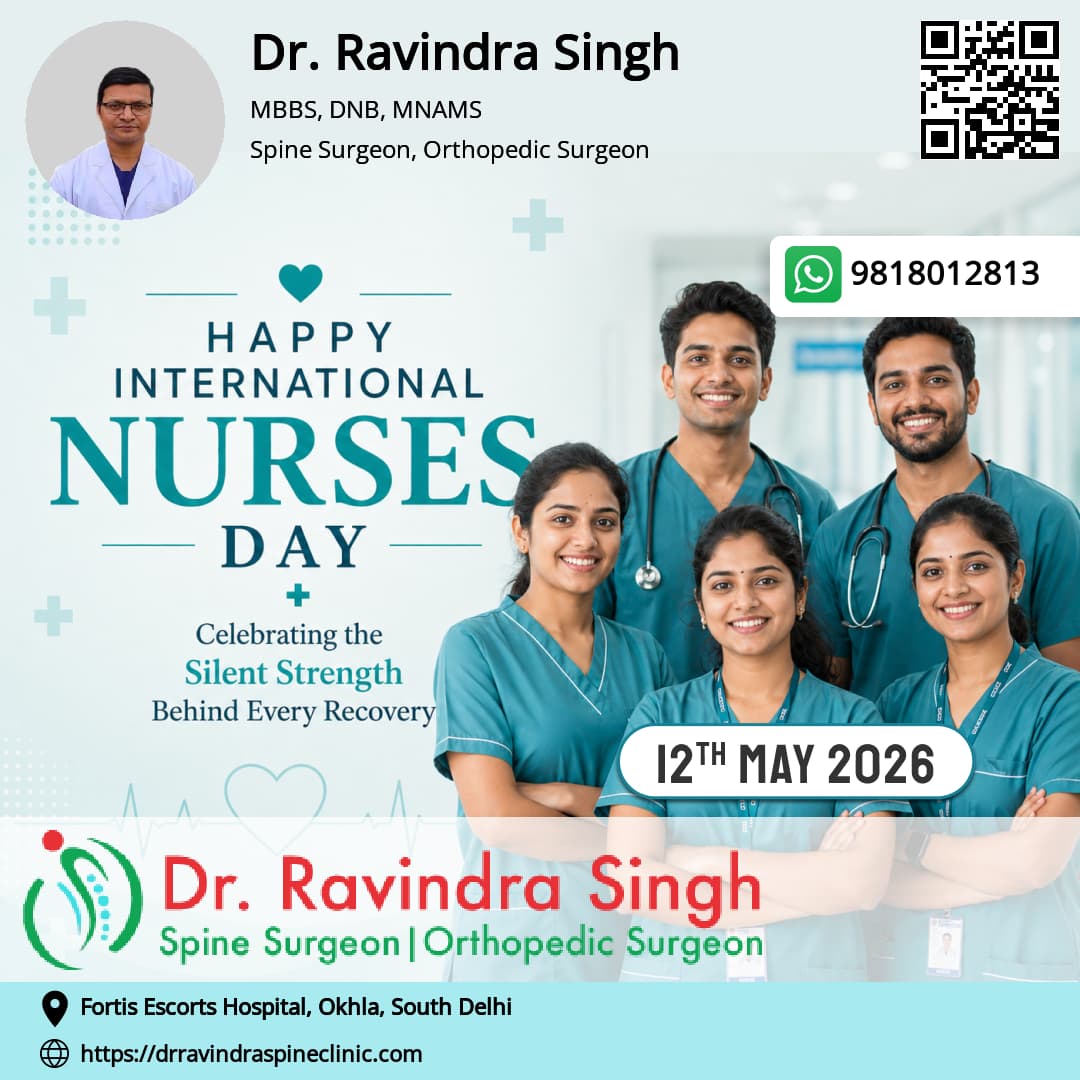
Behind every patient’s recovery, there is a nurse who never steps back from care...See More
May 15, 2026
Shaheedi Week commemorates the supreme sacrifice of Guru Gobind Singh's family, ...See More
Dec 25, 2025

Wishing you a season of wellness and peaceful moments ahead. #HealthyHolidays #C...See More
Dec 25, 2025
Kyphosis is an abnormal curvature of the spine, often requiring surgical managem...See More
Dec 25, 2025

Vaccines protect lives — one shot can save generations. #WorldImmunizationDay #...See More
Nov 10, 2025
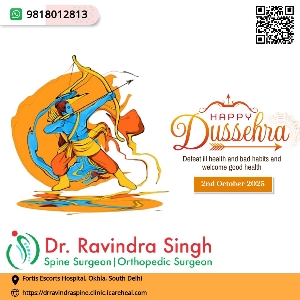
Happy Dussehra! This vibrant festival, also known as Vijayadashami, symbolizes t...See More
Oct 03, 2025
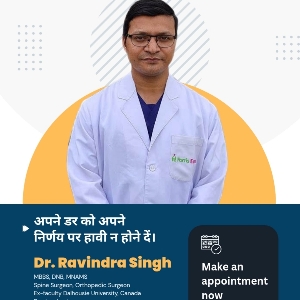
रीढ़ की सर्जरी सुरक्षित और प्रभावी है: अपने डर को अपने निर्णय पर हावी न होने दें...See More
Oct 03, 2025
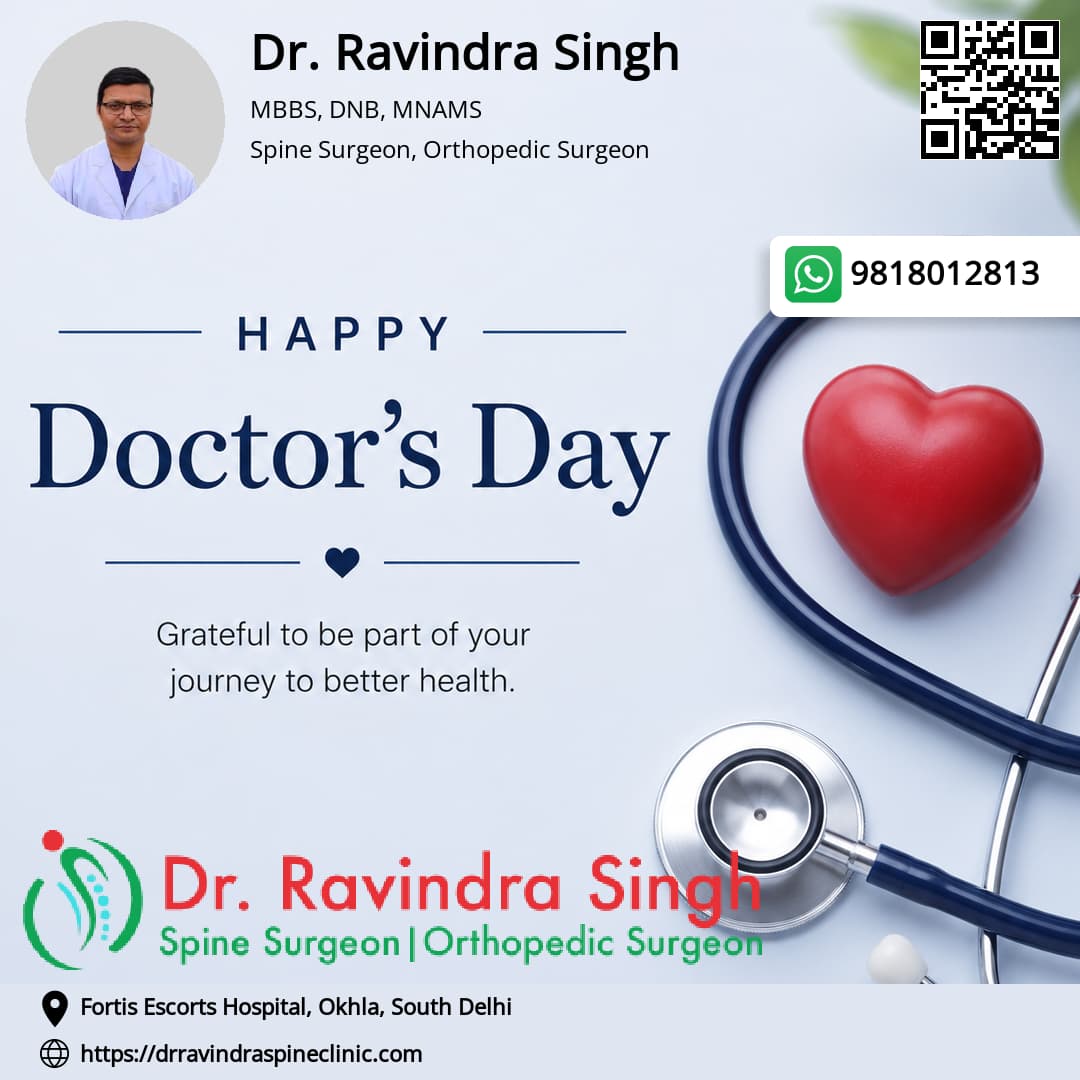
Behind every diagnosis, treatment, and recovery is a doctor dedicated to making ...See More
Jul 02, 2026
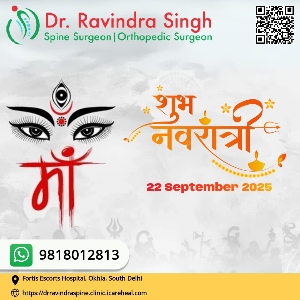
Shubh Navratri! May this auspicious festival bring you happiness, health, and pr...See More
Sep 24, 2025
Don't ignore your back problem and delay spine surgery if it is required.
Sep 11, 2025
Bad posture can significantly impact your spine's health. It places excessive st...See More
Jul 27, 2025
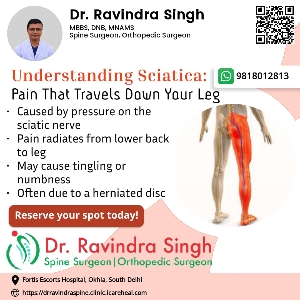
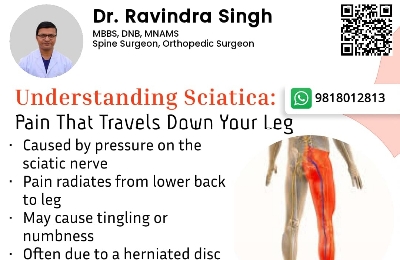
Sciatica involves irritation or compression of the sciatic nerve, leading to pai...See More
Jul 17, 2025

The internet can educate you, but it can’t diagnose you. If you have back pain...See More
Jul 20, 2026
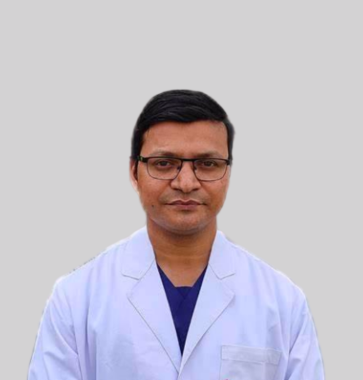
Orthopedic Surgeon, Spine Surgeon
What our Patients says about us
Very good doctor in Mayur Vihar Phase-I........ highly recommended

I had a great experience with Dr. Ravindra Singh while being treated for an ankle sprain. He was professional, clear in his explanation, and guided my recovery very well. I’m back on my feet thanks to his care. Highly recommended!

I have great experience with dr. Ravindra singh, his done my aunty spine surgery. Very satisfied with the treatment. Thank you dr. Ravindra and his team.
Dr. Ravindra Singh is one of the best Orthopaedics Surgeons. In my words, if you are suffering from any issue which are connecting paths to 'Spine and Orthopedics. He'll render you the most eligible decision and will heal your pain accurately.
Wonderful experience with Dr. Ravindra. He is a wonderful surgeon, kind and helpful. He ensured smooth prep, surgery and follow up. I am glad I choose him for my leg surgery.
Dr. Ravindra is incredible. Not only has he taken great care of my broken arm, but he is also very soft spoken. He personally cares for patient and it's rare to find such doctors. He did my diagnosis clearly and suggested affordable treatment options.
I have great experience with dr. Ravindra singh, his done my aunty spine surgery. Very satisfied with the treatment. Thank you dr. Ravindra and his team.
Had an amazing experience with the team of Dr. Ravindra Singh and his team. Solved every problem, physical as well as emotional. Can’t think of a better option than Dr. Ravi and his team. Will always be grateful to him and his team. Also, sister Thambika is a comfort space, thank you didi for always being kind and supportive.
Best spine surgeon in our hospital thank you sir aap ne humare pt ki spine surgery krke humare pt ko budara walk krne lg gye without pain thank dr Ravindra sir u r the best surgeon
Dr Ravindra is the best spine and ortho surgeon in Delhi NCR region. I took my grand father for the spine pain he had been complaining about for years. Dr Ravindra was very precise with his diagnosis with minimal tests he suggested. In few weeks my grandfather felt relief. In addition to his super specialized skills, Dr Ravindra is very humble, soft spoken & comes across as a very caring doctor. He communicates the whole diagnosis plans with the patients very effectively. I would highly recommend Dr Ravindra for anyone suffering from spine or any generalized orthopedic related issues.
Our Latest Videos


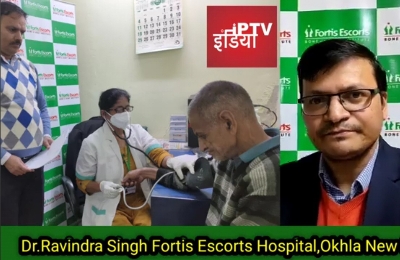






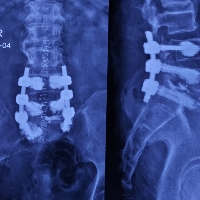
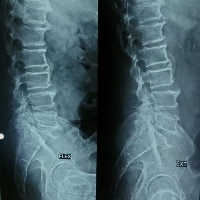
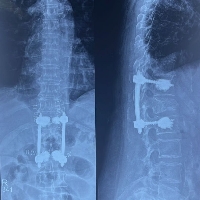
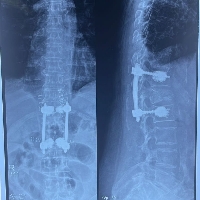
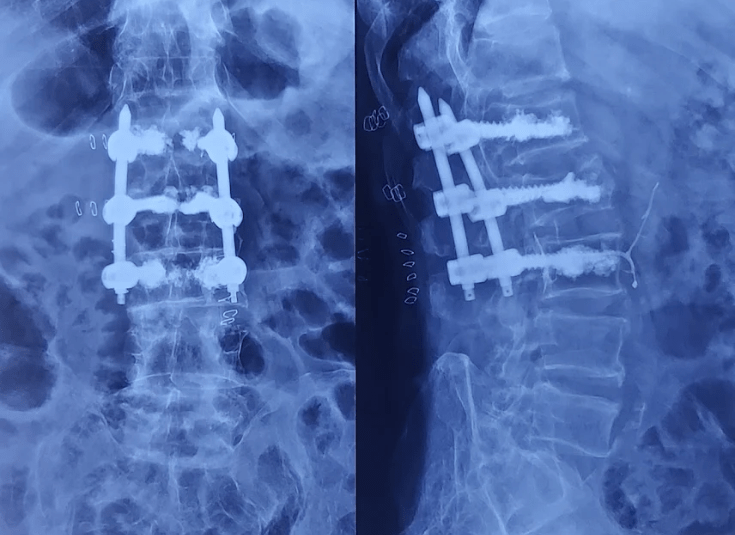
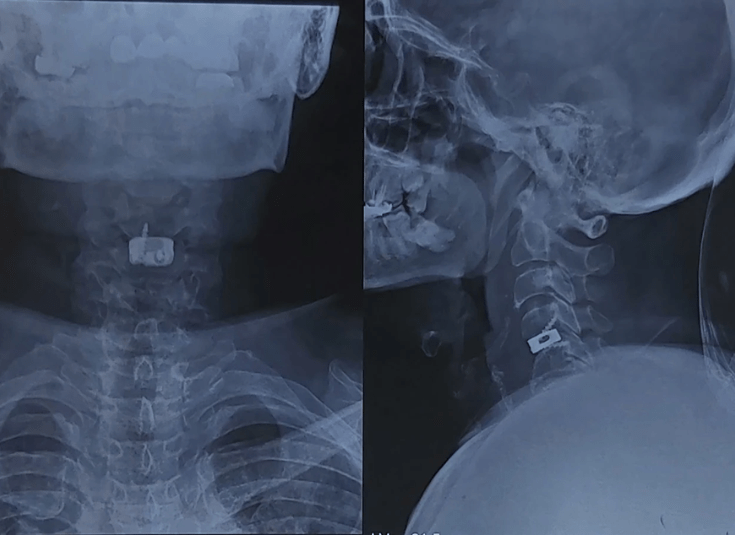
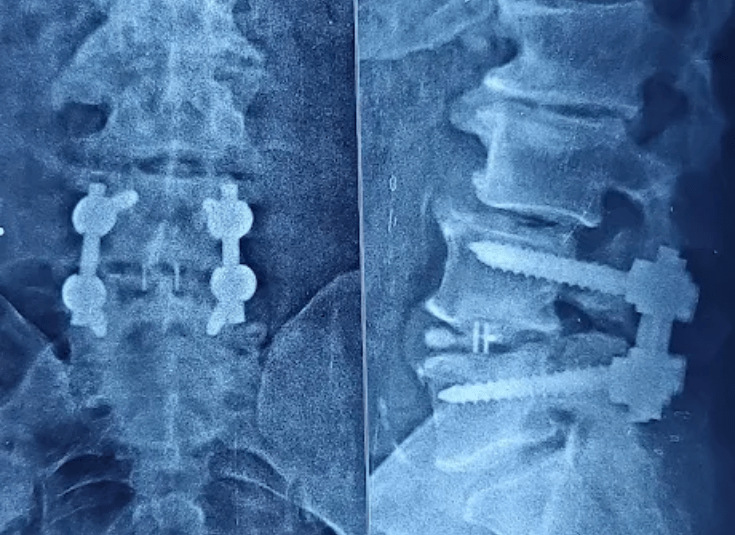
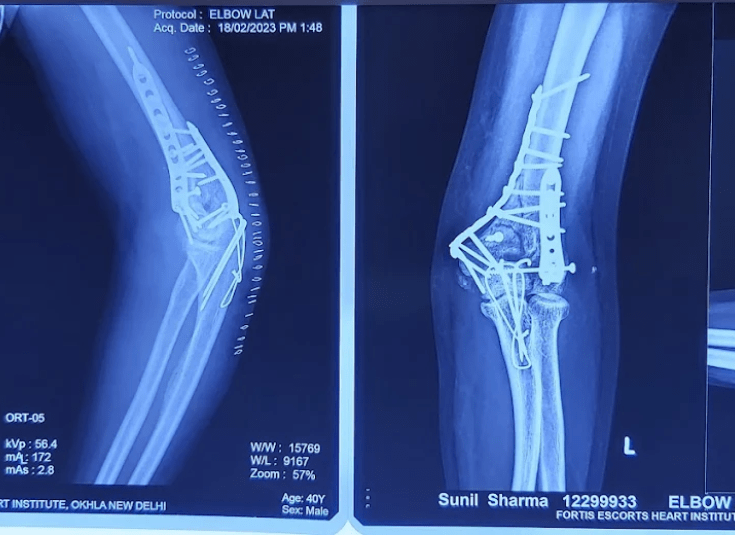
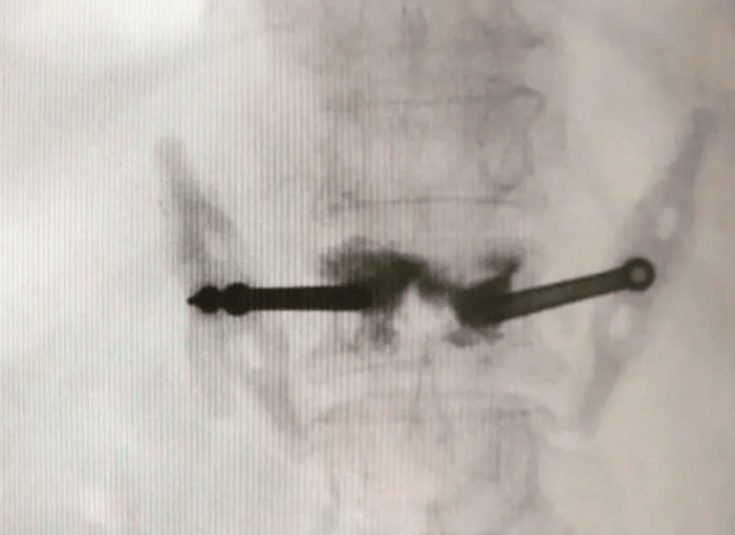
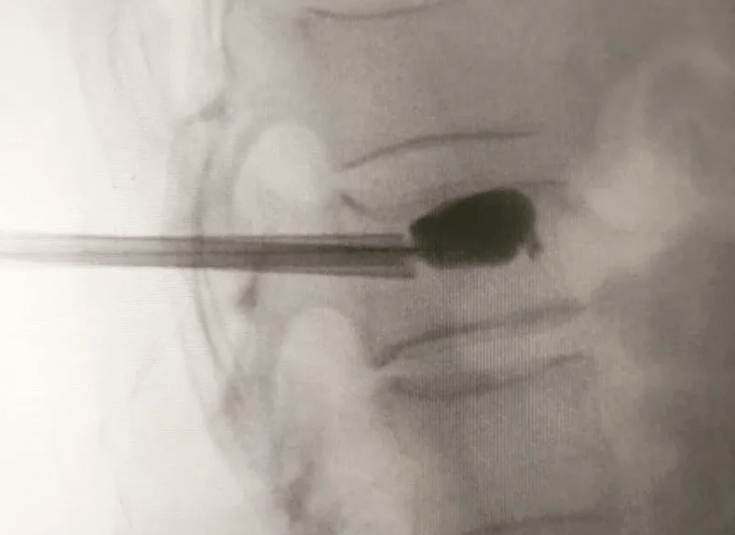
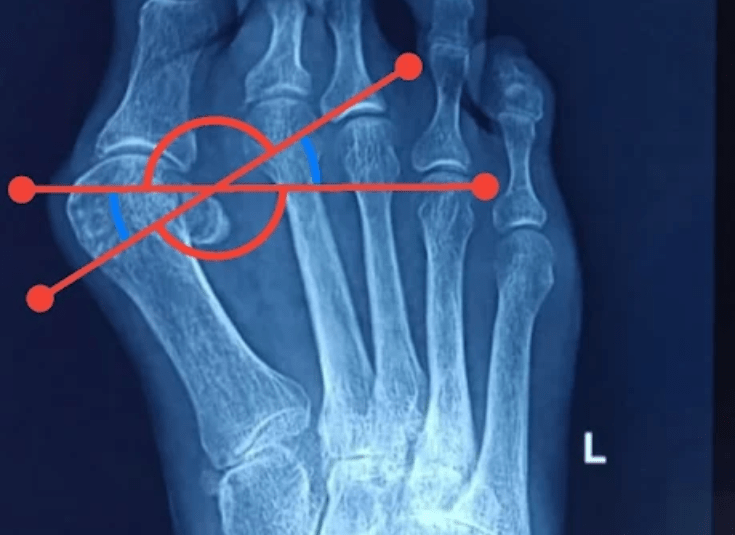
Know your doctor better
Arthroscopic surgeries involve using a small camera and specialized instruments to visualize and treat joint conditions through tiny incisions. Commonly used for knee and shoulder issues, these minimally invasive proceduresfer benefits like reduced scarring and quicker recovery. Conditions treated arthroscopically include torn ligaments, cartilage injuries, and joint inflammation. The specific procedure varies based on the joint and the nature of the condition. Arthroscopic interventions are suitable for select cases and are not applicable to all joint disorders. A thorough evaluation by an orthopedic specialist determines the suitability of arthroscopic surgery for each patient.
Common joint disorders encompass conditions like osteoarthritis, rheumatoid arthritis, and ligament injuries. Management strategies involve a combination of conservative measures and, in some cases, surgical interventions. Non-surgical approaches include medications, physical therapy, and lifestyle modifications to alleviate symptoms and improve joint function. Surgical options range from arthroscopic procedures for minimally invasive interventions to joint replacement surgeries for advanced cases. The choice of treatment depends on the specific disorder, its severity, and individual patient factors. A comprehensive evaluation by an orthopedic specialist guides the development of a tailored treatment plan, emphasizing optimal joint health.
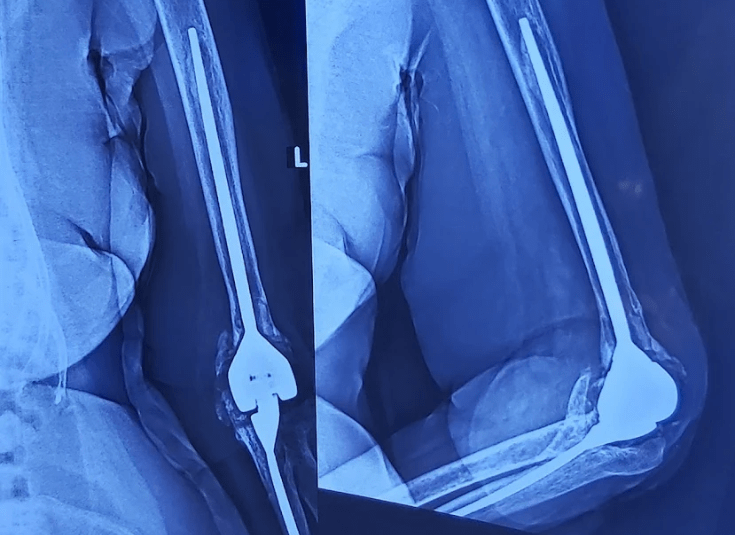
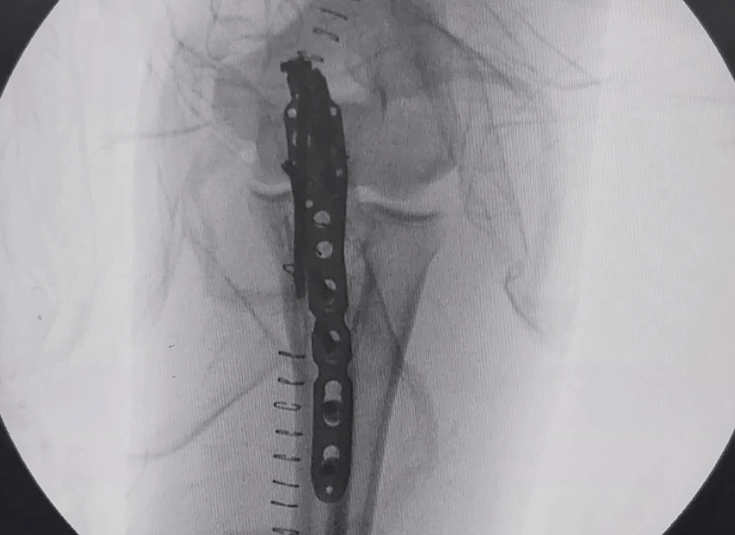
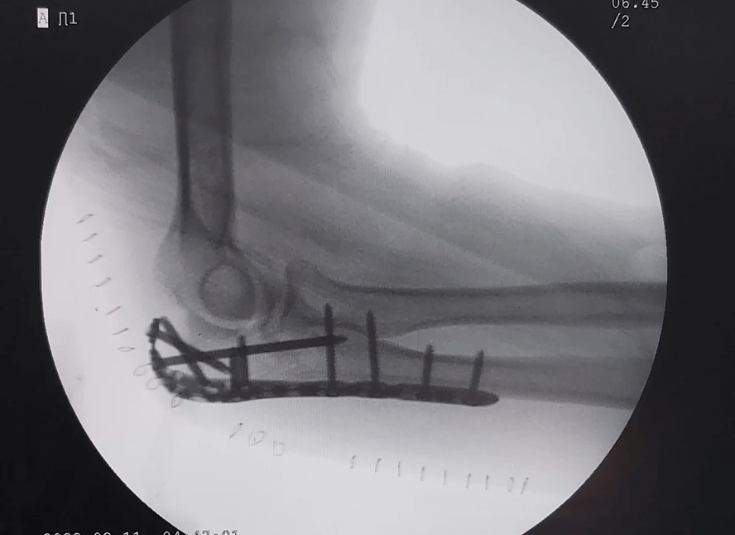
General orthopedic trauma involves injuries to bones, joints, and soft tissues. Immediate assessment and stabilization measures are taken in emergency situations. Treatment options range from conservative measures like casting and bracing to surgical interventions for fractures or dislocations. Orthopedic trauma specialists may employ advanced techniques, including internal fixation with plates or screws. The specific management plan depends on the type and severity of the trauma, as well as the patient's overall health. A multidisciplinary approach, often involving trauma surgeons and rehabilitation specialists, ensures comprehensive care for optimal recovery.
Revision spine surgeries involve correcting or modifying a previous spinal procedure, often due to recurrent issues or complications. Complex spine surgeries address intricate conditions such as severe deformities or multiple-level pathologies. Both may involve advanced techniques and specialized approaches. Revision surgeries aim to improve outcomes or address complications from prior procedures. Complex surgeries may be necessary for conditions not amenable to simpler interventions. The decision for these surgeries is based on the individual patient's history, the nature of the previous procedure, and the complexity of the current spinal condition. A thorough evaluation by a spine specialist guides the decision-making process.
Pediatric spine conditions are diagnosed through a combination of clinical assessments and imaging studies, with considerations for the growing spine. Treatment approaches for children differ from those for adults due to the ongoing developmental process. Non-surgical interventions, such as bracing and physical therapy, are commonly employed for mild conditions. Surgical interventions, if needed, are approached with consideration for the child's growth potential. Pediatric spine specialists collaborate with pediatricians and other specialists to provide comprehensive care, emphasizing long-term spinal health. Regular monitoring and adjustments in treatment plans accommodate the child's growth and development.
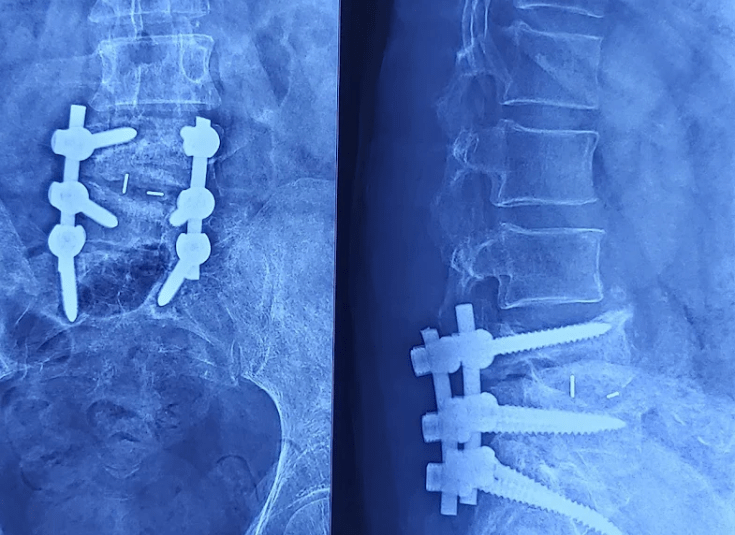
Simple spine fractures typically involve a single break without significant displacement, while complex fractures may have multiple breaks or spinal instability. Treatment varies based on the fracture type and severity. Simple fractures may be managed conservatively with bracing and pain management. Complex fractures often require surgical intervention, which may involve internal fixation with screws and rods. The choice of treatment is tailored to the specific fracture characteristics, considering factors such as stability, alignment, and associated injuries. A thorough evaluation by a spine specialist guides the appropriate treatment approach for each case.
Spine trauma is promptly assessed through clinical evaluation and imaging studies such as CT scans and X-rays. Emergency stabilization measures may be taken to prevent further injury. Treatment options range from conservative measures like bracing and pain management to surgical interventions for severe cases. Immediate medical attention is crucial to prevent complications and optimize outcomes. The specific treatment plan depends on the nature and severity of the trauma, and decisions are often made in collaboration with trauma surgeons, neurosurgeons, and other specialists.
Common cervical spine conditions include disc herniation, spinal stenosis, and degenerative disc disease. Management varies based on the specific condition and its severity. Conservative measures like physical therapy and medications are often employed for mild cases. Interventional treatments, such as epidural injections, can provide relief for persistent symptoms. Surgical options, including cervical discectomy or fusion, may be considered for more severe or refractory conditions. The choice of treatment is guided by the specific diagnosis, the patient's symptoms, and their overall health. A comprehensive evaluation by a spine specialist ensures an appropriate and individualized management plan.
Neck pain can result from factors like muscle strain, disc herniation, or degenerative changes. Diagnosis involves a combination of clinical evaluation, imaging studies (MRI, CT), and sometimes, electromyography (EMG). Treatment options range from conservative measures, including rest, physical therapy, and medications, to more targeted interventions like cervical epidural injections. Surgical options, such as cervical discectomy or fusion, may be considered for cases unresponsive to conservative measures. Individualized care, addressing the specific cause of neck pain, ensures an effective and tailored treatment approach.
Back pain can stem from various causes, including muscle strain, disc herniation, or degenerative conditions. Initial treatment often involves conservative measures like rest, physical therapy, and anti-inflammatory medications. For persistent or severe pain, additional interventions such as epidural injections may be considered. A thorough evaluation is crucial to identify the underlying cause and tailor the treatment plan. Lifestyle modifications, including exercise and ergonomic adjustments, play a key role in managing and preventing recurrent back pain. Surgical options, such as spinal fusion, are reserved for cases where conservative measures do not provide sufficient relief.
Minimally invasive spine surgeries utilize smaller incisions and specialized instruments, reducing tissue disruption compared to traditional open procedures. The benefits include less postoperative pain, shorter recovery times, and minimized scarring. These procedures are effective for various spinal conditions, including disc herniation and spinal stenosis. Advanced imaging technologies guide precise interventions, enhancing outcomes. While not suitable for all cases, minimally invasive techniques offer advantages in terms of patient comfort and quicker return to normal activities. The decision to pursue minimally invasive surgery is based on the specific condition, patient factors, and the expertise of the surgical team.
Degenerative spine conditions, such as degenerative disc disease or spinal arthritis, are typically progressive and irreversible. However, various treatment strategies aim to manage symptoms and improve overall function. Non-surgical approaches include physical therapy, medications, and lifestyle modifications to alleviate pain and promote mobility. In some cases, surgical interventions like spinal fusion or artificial disc replacement may be considered for more advanced degenerative conditions. The choice of treatment is based on the specific condition, the severity of symptoms, and the individual patient's needs. A thorough evaluation by a spine specialist guides the development of a tailored treatment plan.
A prolapsed disc is synonymous with a herniated disc, both referring to the same condition where the inner gel-like material of the spinal disc protrudes through its outer layer. Treatment options depend on the severity of symptoms. Conservative measures like rest, physical therapy, and medications may suffice for mild cases. In more severe instances, interventions such as epidural injections or surgical procedures like discectomy may be considered. The choice of treatment is personalized, considering the patient's symptoms, overall health, and response to initial interventions.
Diagnosing a spine tumor involves imaging studies like MRI and CT scans, coupled with a thorough clinical evaluation. Treatment options vary based on the tumor type and location. In some cases, surgical removal may be recommended to alleviate pressure on the spinal cord or nerves. Radiation therapy and chemotherapy are also employed, depending on the tumor's characteristics. The choice of treatment is individualized, considering factors such as tumor size, type, and the patient's overall health. A multidisciplinary approach involving neurosurgeons and oncologists ensures comprehensive care.
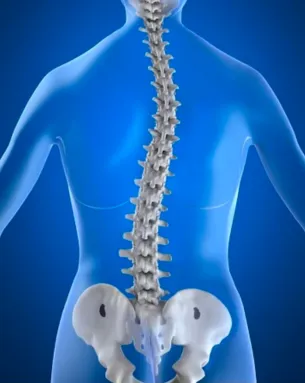
In certain cases, non-surgical approaches may suffice for mild spine deformities. Bracing, physical therapy, and lifestyle modifications can be employed to manage symptoms and prevent further progression. However, for more severe or progressive deformities, surgical intervention may be necessary. Surgical techniques, such as spinal fusion or instrumentation, aim to realign and stabilize the spine. The decision between surgical and non-surgical options is based on the specific type and severity of the deformity, as well as individual patient factors. A comprehensive evaluation by a spine specialist is essential to determine the most suitable treatment approach for each case.
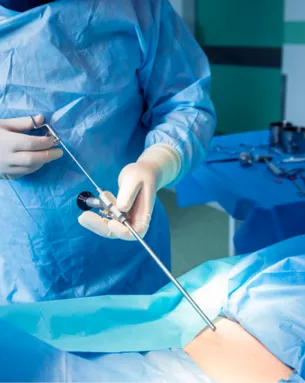
Endoscopic spine surgeries offer numerous benefits, including smaller incisions, reduced postoperative pain, quicker recovery, and minimal tissue disruption compared to traditional open procedures. The use of advanced imaging guidance enhances precision, allowing surgeons to target specific areas with accuracy. Patients often experience shorter hospital stays and can resume regular activities sooner. Endoscopic techniques are particularly effective for conditions like disc herniation and spinal stenosis. The minimally invasive nature of these surgeries promotes optimal outcomes while prioritizing patient comfort.
Dr. Singh adopts a patient-centered approach, emphasizing collaborative decision-making and patient education. His commitment to comprehensive care spans various orthopaedic subspecialties, including trauma, limb reconstruction, deformity correction, paediatrics, arthroscopy, and arthroplasty. Whether opting for conservative or surgical treatment, Dr. Singh prioritizes dialogue and patient involvement in the decision-making process, ensuring personalized and effective solutions to spine-related issues. His dedication to providing holistic care and extensive training in advanced techniques make him a sought-after Orthopaedic Spine Specialist in the Delhi-NCR region.
Dr. Ravinder Singh distinguishes himself with over 23 years of experience and specialized training, holding a National Board (NBE) Degree in Orthopaedics and a Delhi Medical Council (DMC) license. His international fellowships in adult and paediatric spine surgery from Canada and South Korea, along with faculty roles at Dalhousie University, contribute to his exceptional expertise. Notably, he is among the few Delhi-NCR spine surgeons with comprehensive training in endoscopic spine surgery, robotic techniques, and minimally invasive procedures, reflecting his commitment to staying at the forefront of advancements in spine care.
 Address :Fortis Escorts Hospital, Okhla, South Delhi 110025, Delhi Address :Fortis Hospital, Sector- 62, Noida, Gautam Buddha Nagar 201309, Uttar Pradesh Address :DFC Orthopedics, D-39 A, Acharya Niketan, Mayur Vihar. Opp to packet 1, East Delhi 110091, Delhi